Who it suits
- Your nasal bridge is low and the face looks flat
- Your nose tip is rounded or wide
- Your nostrils look large and low
- You want a nose that looks natural with your other features
Is Rhinoplasty right for you?
Tap what applies. We turn it into an inquiry, and our team replies with suggested next steps for your trip.
Hello, I'm interested in Rhinoplasty at LAHYEON Plastic Surgery. Could you suggest a plan for me?
No booking until you confirm.
Designing the nose for the whole face
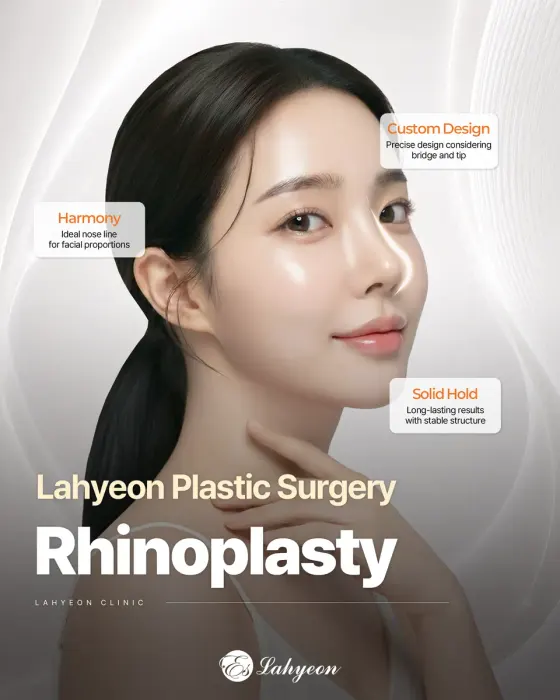
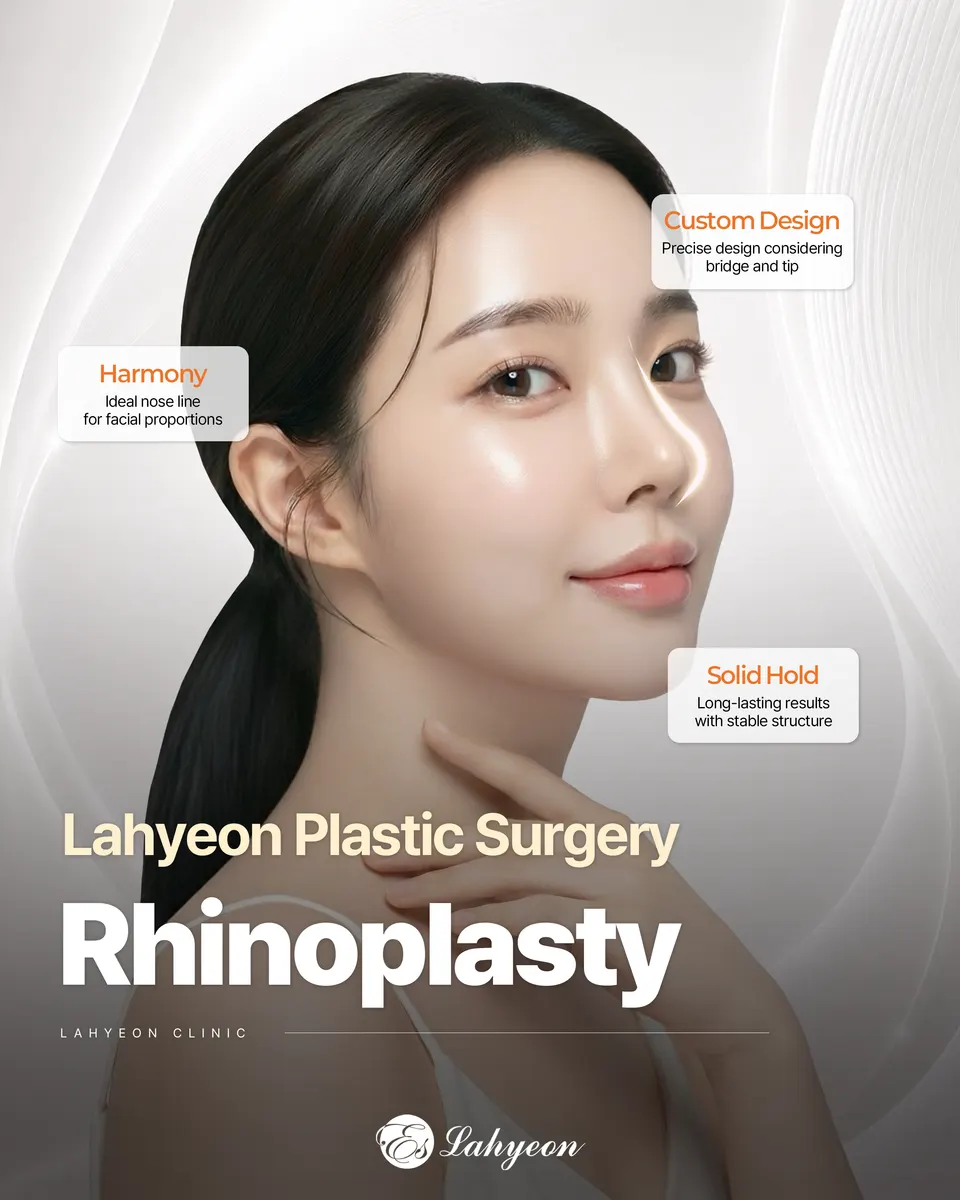
The nose sits in the center of the face and shapes the first impression. Lahyeon designs the nose by looking at its balance with the eyes, cheeks and chin, rather than shaping one part in isolation.
For a low nose, the bridge and tip are raised by the method that fits your anatomy. The aim is a line that does not look operated on.
Bridge, tip and combined rhinoplasty
Bridge augmentation raises a low dorsum and adds depth to the face. Tip surgery gathers the tip cartilage and grafts harvested cartilage or an artificial material on top to refine a rounded tip.
Combined rhinoplasty treats the bridge and tip together. For a low bridge with large, low nostrils, the tip is lifted, the tip cartilage is brought together, and your own septal cartilage is grafted on top to shape the overall silhouette.
Materials
Silicone is the longest-used nasal implant. It can be shaped precisely for the bridge line and does not change shape or get absorbed after surgery.
AlloDerm is a processed tissue material, used mainly as a cartilage substitute or for tip correction, and feels softer than cartilage. Gore-Tex is softer than silicone but is used only when needed.
Your own tissue is another option: septal cartilage for the tip, the columella or lengthening the nose; dermis for reinforcing skin or contour in revision; and fat for a natural bridge with little foreign-body feel. The material is chosen at consultation based on your nose.
Recovery and your stay in Seoul
Stitches are removed 5 to 7 days after surgery, and most people return to daily life within 1 to 2 weeks. Full settling takes about 3 to 6 months, during which the nose gradually looks more natural. Plan to stay in Seoul at least until stitch removal.
Your medical team
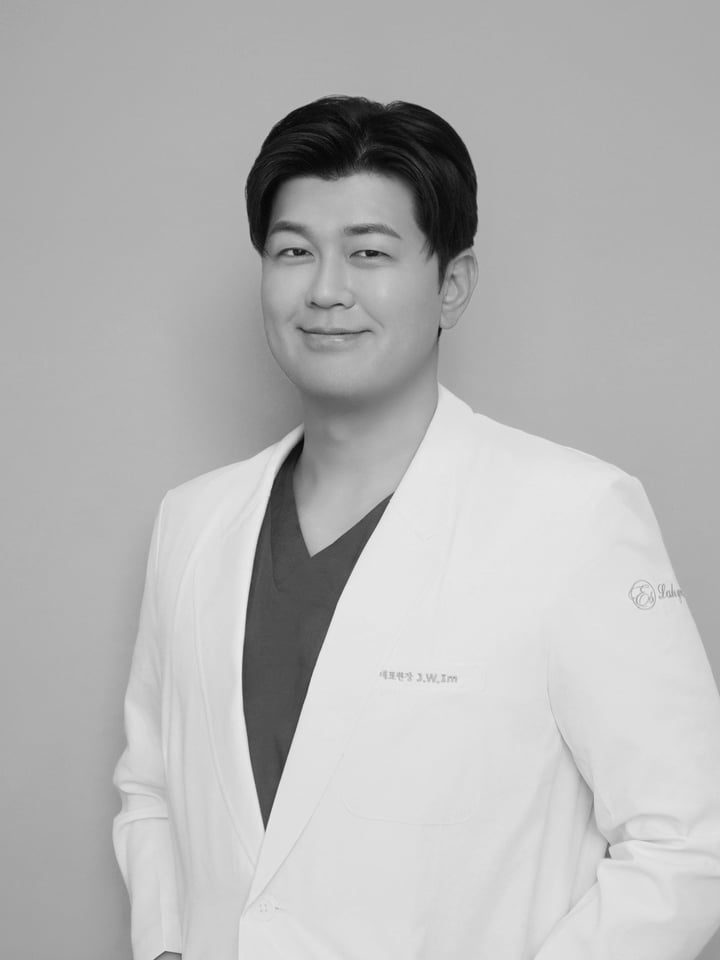 Dr. Im Jung-wooBoard-certified general surgeon
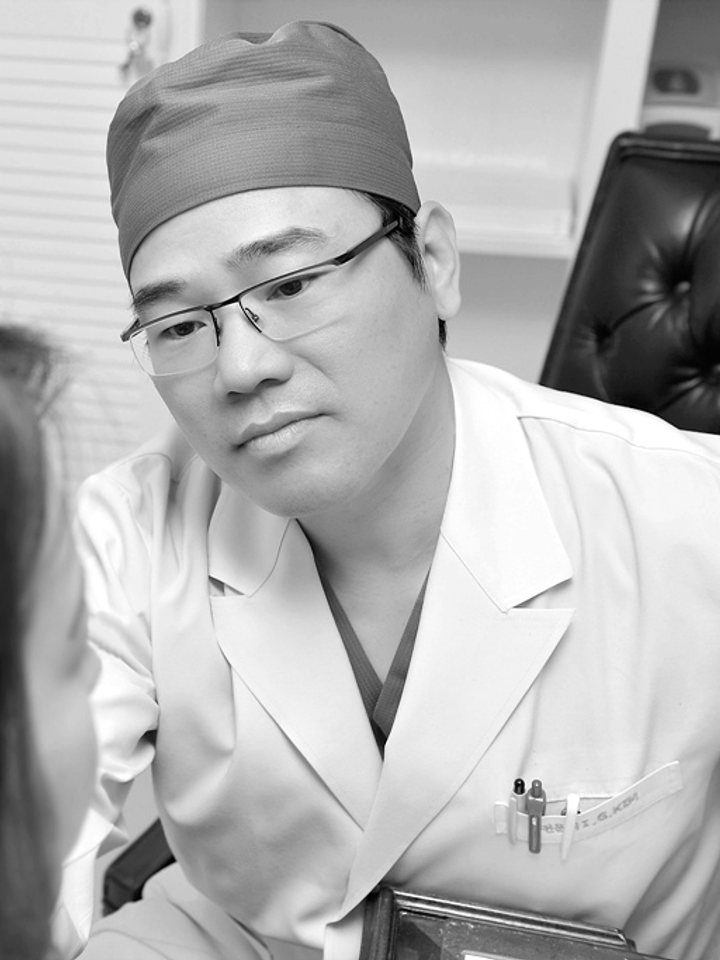 Dr. Kim Il-gonBoard-certified general surgeon
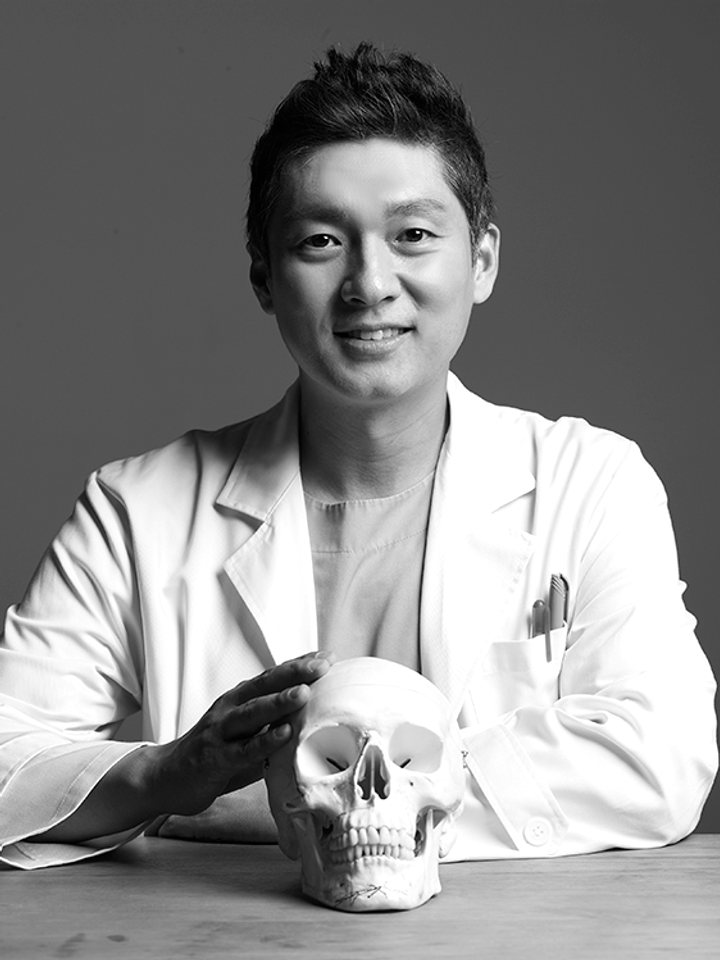 Dr. Koo Bon-junBoard-certified plastic surgeon
What your consultation covers
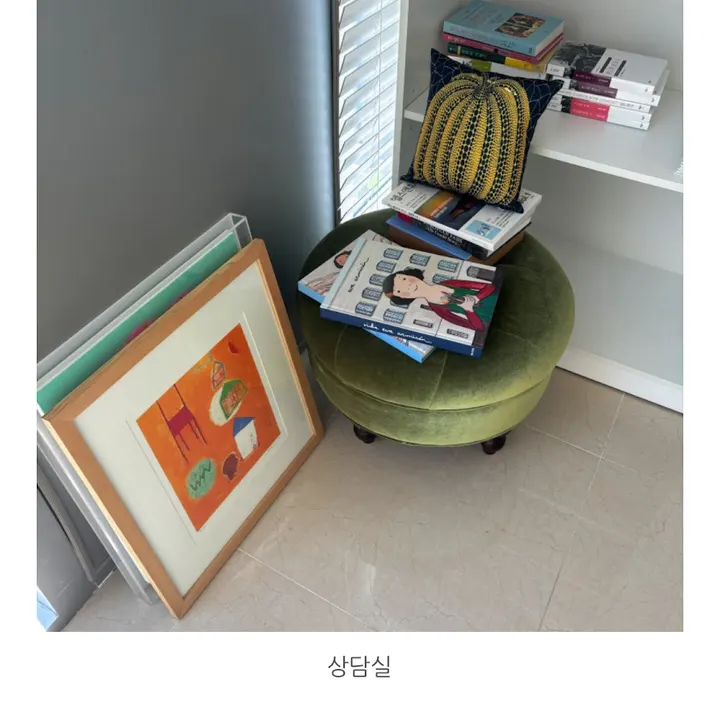
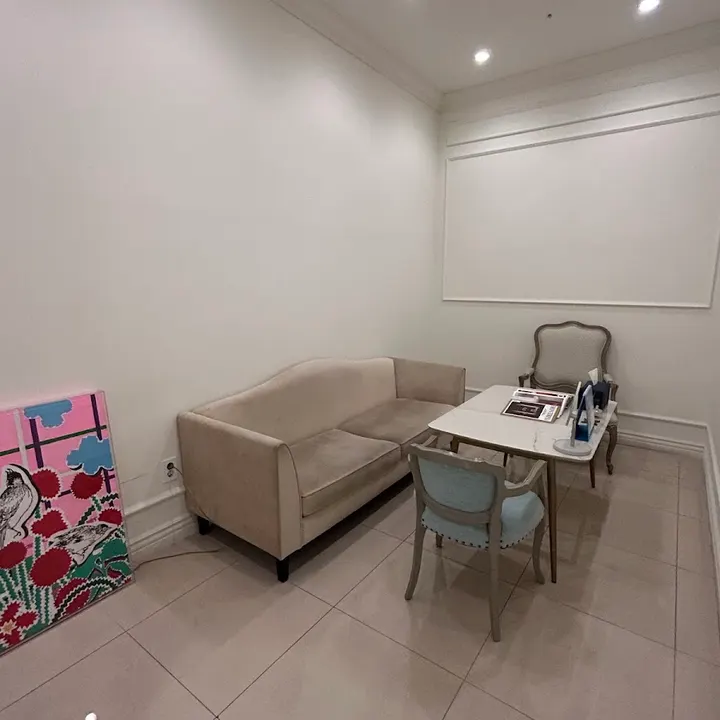
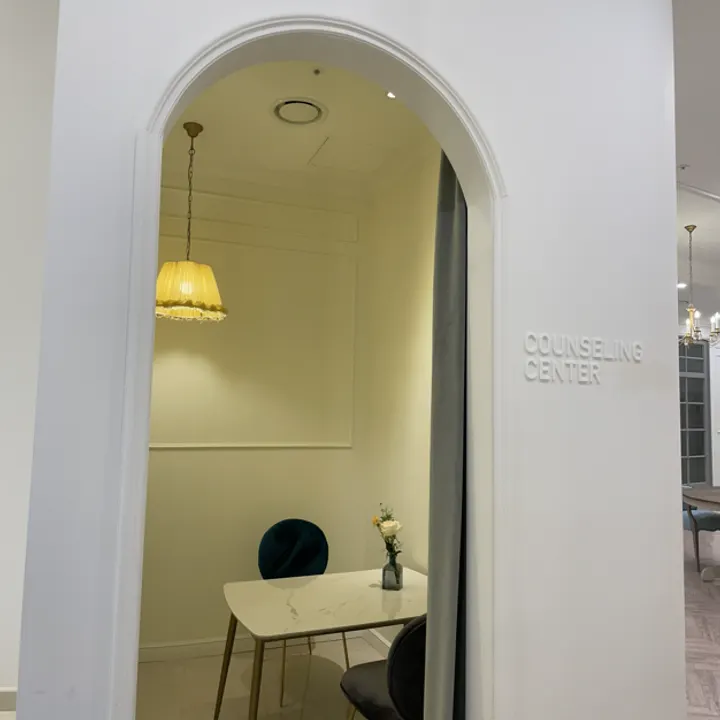
- One-on-one, in a private room
- Your consultation is held one-on-one, so you can ask about concerns you would rather not raise in front of others.
- A plan based on your proportions
- We look at how the area connects with the rest of your face or body before recommending anything, and we tell you honestly when something is not a good fit.
- A quote for your plan
- Cost depends on what your plan involves, so you receive a quote after the consultation.
- Timing from abroad
- Include your travel dates when you contact us, so recovery and follow-up can be discussed before you book flights.
Questions
How long is recovery after rhinoplasty?
Stitches come out after 5 to 7 days, and daily life is usually possible within 1 to 2 weeks. Full recovery takes about 3 to 6 months. Recovery varies by person.
What about side effects or complications?
Your doctor diagnoses your nose and chooses a suitable material and method to keep the risk of side effects low. Any surgery carries some risk, which is explained at consultation.
Can I get a natural-looking nose?
Yes. The goal is a nose that does not look operated on and fits your whole face. The design is based on your face shape and proportions.
My nose is low and my nostrils are wide. What surgery fits?
Usually bridge and tip surgery together. The tip is raised, the tip cartilage is brought together, and your own septal cartilage is grafted to shape the overall silhouette.
What is nose tip surgery?
The tip cartilage is brought together, then harvested cartilage or an implant material is grafted to shape the tip and complete the silhouette of the nose. Stitches are removed after 5 to 7 days, which ends the treatment.
Silicone or my own tissue: which is better?
Each has strengths. Silicone allows a precise, long-lasting shape, while your own tissue feels less foreign and looks natural. Your doctor recommends a material after examining your nose.
Results vary by person.