Who it suits
- Your breasts are very large for your frame
- You have neck, shoulder or back pain
- You get skin rash under the breast fold
- Breast size makes you self-conscious
- Breast size gets in the way of exercise or daily life
Is Breast Reduction right for you?
Tap what applies. We turn it into an inquiry, and our team replies with suggested next steps for your trip.
Hello, I'm interested in Breast Reduction at LAHYEON Plastic Surgery. Could you suggest a plan for me?
No booking until you confirm.
Why breast reduction is done
Breasts that are too large for the body put the frame out of balance. This can lead to neck, shoulder and lower-back pain, and to eczema in the fold under the breast where skin rubs and stays damp.
Size can also make people self-conscious or hold back from exercise and everyday activities. Reduction brings the breasts to a size that fits your frame, so the line looks balanced and these problems ease.
Two methods
Periareolar method: the incision follows the edge of the areola. It suits smaller reductions, leaves less scarring and aims for a natural shape with minimal side effects. Suitability depends on areola size and the degree of sagging, which are checked at consultation.
Vertical method: an incision of about 5cm runs from the nipple down to the fold under the breast. It allows a larger reduction and also corrects sagging, and is one of the most commonly performed methods.
Dr. Im chooses the method after assessing breast size, sagging and the size you want to reach.
Planning a size that fits your frame
Smaller is not automatically better. Dr. Im looks at your rib cage, shoulders and overall build to decide a size that is in balance with your body, and plans the shape so the breasts still look natural when you move.
The aim is a breast that stays healthy and keeps its shape over time, not only right after surgery. Dr. Im sees you from consultation through surgery and follow-up.
Recovery and aftercare
As general guidance for breast surgery at the clinic, keep to light daily activities for the first 2 to 3 weeks and start regular exercise after about 6 to 8 weeks. Ask the medical team before exercises that use the chest muscles.
Inflammation can cause heat, swelling or tiredness. The clinic checks for this early with its equipment and treats it promptly.
Treatment steps
- Consultation with Dr. Im: breast size, sagging, symptoms and target size
- Choice of periareolar or vertical method
- Design marking based on your frame
- Reduction surgery (about 2–3 hours)
- Aftercare and follow-up
Your medical team
 Dr. Im Jung-wooBoard-certified general surgeon
 Dr. Kim Il-gonBoard-certified general surgeon
 Dr. Koo Bon-junBoard-certified plastic surgeon
What your consultation covers
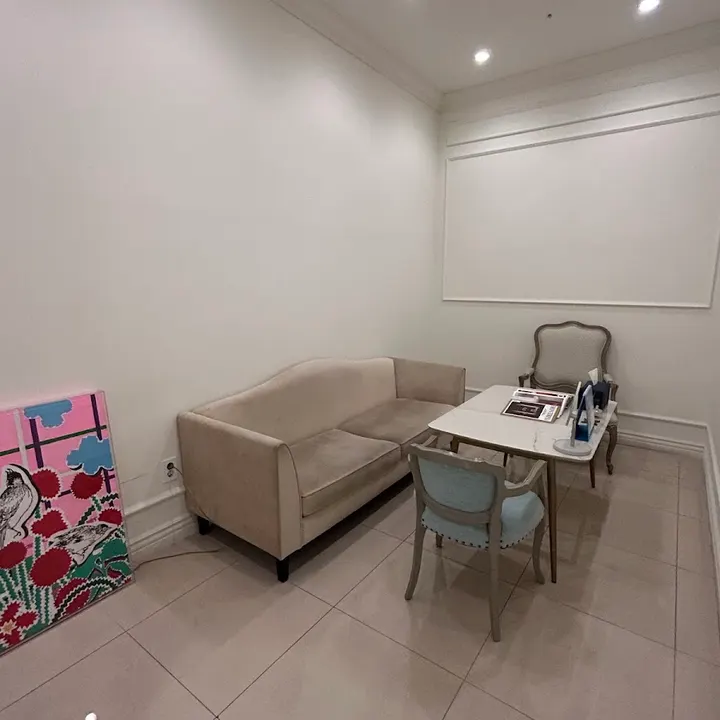
- One-on-one, in a private room
- Your consultation is held one-on-one, so you can ask about concerns you would rather not raise in front of others.
- A plan based on your proportions
- We look at how the area connects with the rest of your face or body before recommending anything, and we tell you honestly when something is not a good fit.
- A quote for your plan
- Cost depends on what your plan involves, so you receive a quote after the consultation.
- Timing from abroad
- Include your travel dates when you contact us, so recovery and follow-up can be discussed before you book flights.
Questions
Which reduction method will I need?
Small reductions without much sagging often suit the periareolar method. Larger reductions, or breasts that also sag, usually need the vertical method. This is decided at consultation.
Can a reduction also correct sagging?
Yes. The vertical method is effective for correcting sagging while reducing size.
How visible are the scars?
With the periareolar method the scar follows the edge of the areola, so it leaves less scarring. The vertical method adds a line of about 5cm from the nipple to the fold. How scars heal varies by person.
How should I prepare for surgery?
Stop smoking and drinking before surgery and pause medicines that affect blood circulation. Detailed instructions are given individually at consultation.
Results vary by person.